Nutrition Notes
How the Composition of a Weekly Shopping Basket Relates to Weight Over Time
Eleanor Whitfield
·
London, March 2026. Four households. Eight weeks. A request that was deliberately modest: add one additional plant-based meal per week to whatever they were already eating. Not a full dietary shift. Not a programme. A single incremental change, tracked in a food journal alongside weight recorded once weekly. The observation across eight weeks: all four households exceeded the single-meal request within the first fortnight, and in three of the four, the recorded weight showed a downward or stable trajectory by week eight.
The decision to frame the observation around gradual inclusion rather than wholesale dietary change was deliberate. There is a substantial body of published nutritional research on plant-based eating patterns and weight, but much of it examines populations who have adopted fully plant-based diets. The compendium's interest is in the more ordinary territory: what happens when people who eat broadly as they always have begin, incrementally, to incorporate more plant-based meals into their existing weekly rhythm.
The four households recruited for this observation were selected specifically because none had a stated interest in plant-based eating. They were households with conventional mixed diets — meat, dairy, processed foods, some vegetables — who agreed to maintain a food journal for eight weeks and to attempt at least one additional plant-based meal per week above their existing baseline.
The food journal asked only: what did you eat, when, and who cooked it. Weight was self-recorded on the same morning each week. No dietary guidance was given beyond the single-meal request at the outset of the observation.
By week two, all four households had exceeded the single plant-based meal target. The median across the four households in weeks two through eight was 3.2 additional plant-based meals per week — a considerably larger shift than the single-meal baseline request. This exceeded expectation. When reviewed against the food journals, the explanation was not ideological conversion but practical: the households had found plant-based meals easier to cook than anticipated.
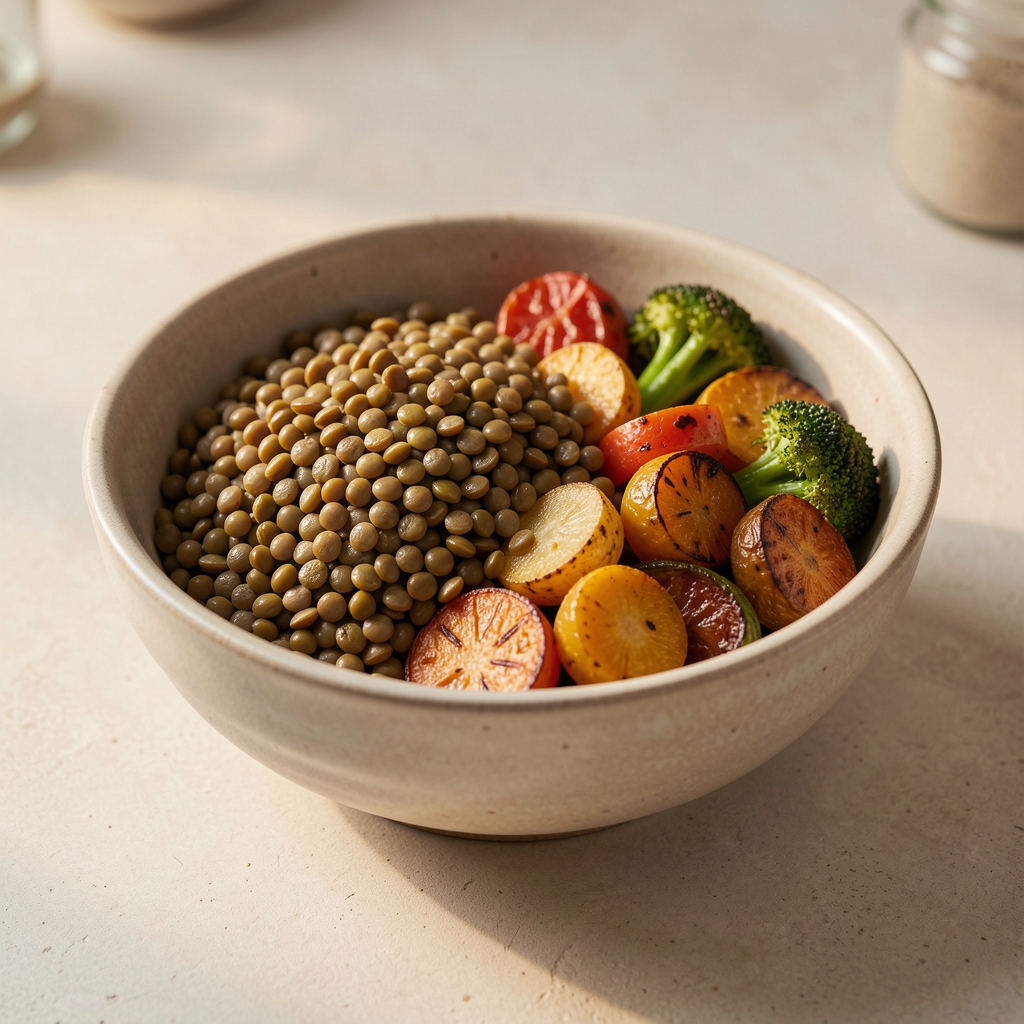
Household A (a family of four) recorded in week three that their Friday evening routine had settled into a lentil-based soup from the week's remaining vegetables. Household C (a couple, both working full-time) noted that a chickpea curry had become a Wednesday staple by week four because it required less preparation time than their usual Thursday chicken dinner and produced leftovers for Friday lunch. The decisions were practical, not principled.
The food journals showed a consistent pattern: plant-based meals tended to increase vegetable variety within each household's weekly diet, to reduce the frequency of processed food consumption on those same evenings, and to be associated with a stronger sense of satiety in the post-meal period — a finding consistent with published research on dietary fibre and the sense of fullness between meals.
"The decisions were practical, not principled. A lentil soup required less planning than a meat-based alternative. The plant-based meal happened because the kitchen made it the easier choice."
One pattern that emerged across the food journals from weeks three through six was a consistent commentary on portion size. Households eating plant-based meals tended to note larger serving volumes — bowls rather than plates, second portions eaten without reservation — yet also noted a corresponding absence of the post-meal heaviness they associated with comparable meat-based dinners. This language of "lightness" appeared in three of the four journals.
The nutritional mechanism here is relatively well-documented: plant-based meals typically have lower energy density per unit of volume than meat-based alternatives, meaning that a larger physical portion can contribute to a sense of fullness without a proportionally larger energy contribution. The households were not, in most cases, eating less food by volume. They were eating food that occupied more space on the plate and in the stomach while contributing a different nutritional profile.
This matters for weight. Three of the four households recorded stable or declining weight over the eight-week period. The exception — Household B — showed a slight upward trend but noted in their journal that their plant-based meals had been largely replaced by purchased falafel wraps and supermarket hummus-based snacks, which, while nominally plant-based, were high in processed fats and salt. The category "plant-based" is not nutritionally uniform; the quality of the whole-food component matters considerably.
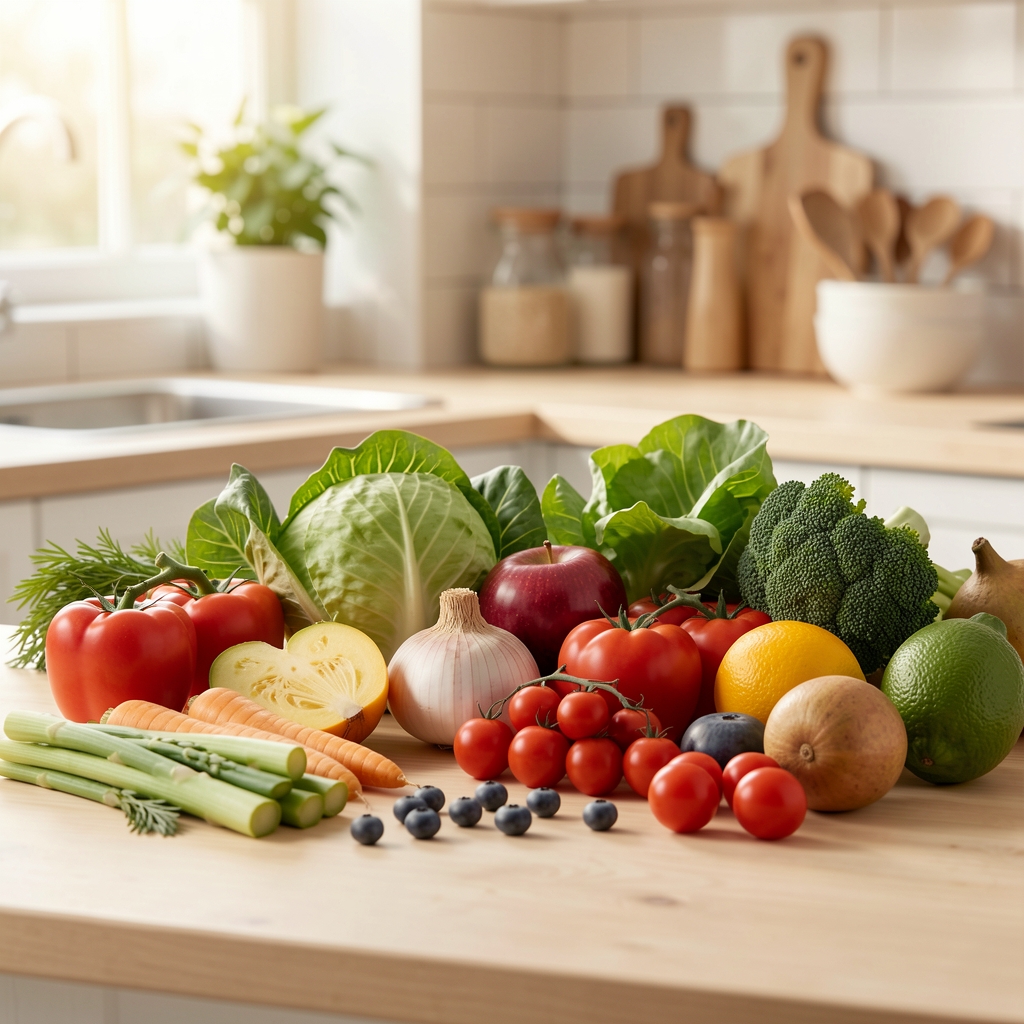
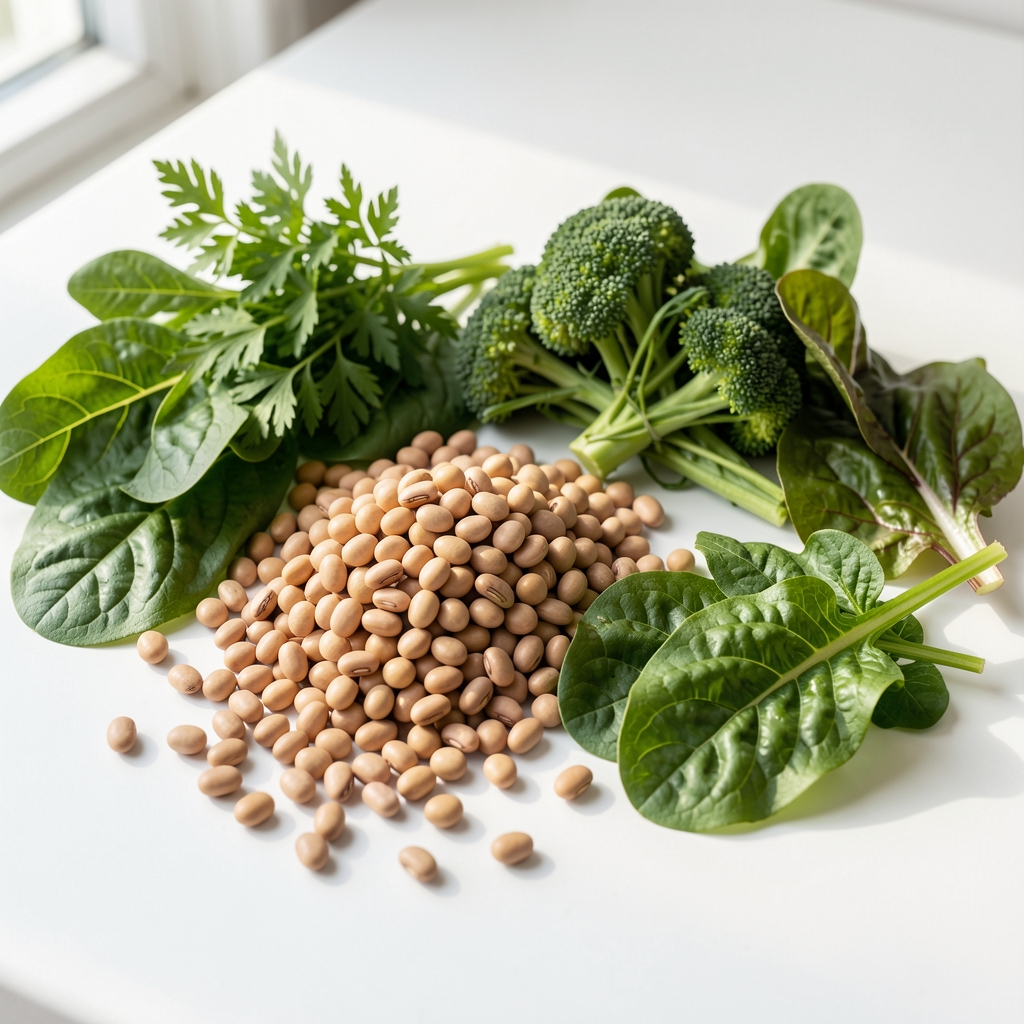
The eight-week observation coincided with the tail of winter and the early weeks of spring in London. The seasonal produce available during this period shaped the plant-based meals recorded in all four households: leeks, parsnips, celeriac, savoy cabbage, dried lentils, chickpeas, cannellini beans. These are not photogenic ingredients in the contemporary food-media sense. They are cold-climate staples with a long culinary history and a reliable nutritional profile — high in fibre, protein-rich in the case of legumes, and considerably more affordable than equivalent meat-based sources of comparable nutritional variety.
The households that made the most consistent use of seasonal produce were also those whose food journals showed the greatest increase in cooking frequency over the eight weeks. Household A, by week six, was cooking plant-based meals from scratch on four of seven evenings, compared with one or fewer at the start of the observation. The food journal noted this shift as a change in habit rather than a change in aspiration — they had not decided to become more regular cooks. They had simply found themselves, week by week, with ingredients that required preparation.
This is the texture of gradual weight change that the compendium is interested in documenting: not a moment of decision but an accumulation of small practical shifts — a vegetable that needs to be used before it turns, a pot of soup that produces four portions from forty minutes of preparation, a pantry that over eight weeks has quietly reorganised itself around dried legumes and seasonal roots.
The food journals from this observation support an understanding of nutritional balance as something calculated across a week rather than optimised within a single meal. None of the four households ate notably well every day across all eight weeks. There were fast-food evenings, skipped breakfasts, and week-six entries that consisted largely of toast and tinned soup. But the weight of the week — the accumulation of how plant-based meals and whole-food cooking had increasingly structured the non-exceptional days — appeared to hold the nutritional record in a range that corresponded, for three of the four households, with stable or declining weight.
Articles published on Kaldira Compendium are editorial in nature and reflect the writers' observations on everyday nutrition practices and weight awareness. The content is not intended as professional advice, nor as guidance for the management of any specific condition. Readers with specific concerns about their daily routines are encouraged to speak with a qualified wellness professional.

Eleanor is the lead editor of Kaldira Compendium. Her fieldwork on food journalling and nutrition observation forms the documentary foundation of the publication. She holds qualifications in nutritional science and reviews every article before publication.
More from this editor →